
Top Tips to Prevent Heel Pain: Plantar Fasciitis Explained
If you have recently started to notice discomfort in your heel, particularly first thing in the morning or after periods of rest, it may be an early sign of plantar fasciitis. Plantar fasciitis is one of the most common causes of heel pain and its earliest signs often consist of mild discomfort that comes and goes but worsens over time. These early stages, where it feels easy to ignore, are the most important when it comes to tackling what could become a recurring chronic problem. In its later stages plantar fasciitis can cause enough pain and discomfort to prevent, walking, running and partaking in sport. Many people come to us not just because of pain, but because of what it prevents them doing.
If you have found yourself here, then you have likely already noticed the early warning signs. Knowing how to prevent heel pain in the early stages can help reduce strain on the plantar fascia and prevent the condition from progressing. With guidance from the experienced podiatrists at
The Bell Practice, you can reduce the strain placed on your heels before the condition requires more complex intervention.
What is plantar fasciitis?
Plantar fasciitis is a condition affecting the plantar fascia, a thick band of tissue that runs along the sole of your foot, connecting your heel bone to your toes. This structure plays a vital role in supporting your arch and absorbing the impact of walking.
When the plantar fascia is placed under repeated strain, it can develop small tears and areas of degeneration. Although often described as inflammation, plantar fasciitis is usually the result of ongoing stress over time rather than a single injury.
A key feature of plantar fasciitis is morning pain. Overnight, the plantar fascia tightens slightly, and when you first put weight on the foot, this tension can cause a sudden, sharp discomfort.
Common symptoms of plantar fasciitis include:
- Sharp pain in the heel when taking your first steps in the morning
- Discomfort after periods of rest, such as sitting or driving
- Pain that may ease slightly with movement but returns after prolonged standing
- Tenderness on the underside of the heel
- Tightness through the arch of the foot
What causes plantar fasciitis?
Plantar fasciitis rarely has a single cause. In most cases, it develops due to a combination of factors that place repeated strain on the foot over time.
Common causes include:
Repetitive strain and overuse:
Standing for long periods, walking on hard surfaces, or engaging in high impact exercise can all increase stress on the plantar fascia. Over time, this repeated loading can lead to irritation and pain.
Foot structure and biomechanics: The way your feet move plays a significant role. If your foot rolls inward excessively (often referred to as overpronation), or if you have particularly high arches, it can alter how pressure is distributed across the foot. This imbalance increases strain on the plantar fascia, particularly at the point where it attaches to the heel.
Tight calf muscles and reduced flexibility: Tightness in the calf muscles can limit ankle movement and increase tension through the plantar fascia. This is one of the reasons symptoms are often worse first thing in the morning or after periods of inactivity.
Inadequate or worn footwear: Shoes that lack proper support or cushioning fail to absorb impact effectively. Over time, this places additional stress on the heel and surrounding tissues. Worn out footwear can be just as problematic, as it no longer provides the support your feet need.
Sudden changes in activity: A rapid increase in activity levels, such as starting a new exercise routine or spending more time on your feet, can overload the plantar fascia before it has time to adapt.
Other contributing factors: Age, weight, and occupations that involve prolonged standing can all increase the likelihood of developing plantar fasciitis.
How to prevent plantar fasciitis
Wear proper footwear
The shoes you wear every day play a key role in how much strain is put on your heels. Poorly fitting shoes can increase stress across the foot, particularly during high impact exercise. Over time, you will begin to notice discomfort/pain after physical activity.
Wearing the wrong or ill fitting shoes is one of the most common reasons why people develop heel pain, but with a few adjustments, you could take a valuable step towards preventing plantar fasciitis in your future.
The best shoes to prevent plantar fasciitis should have:
- A well fitting arch support that holds the foot and reduces overpronation (rolling in).
- Firm ankle support that hugs the heel comfortably and reduces rolling at the ankle.
- A wide toe box with sufficient room to allow the balls of your feet to expand naturally as you walk.
- Heel support in the outsole. The insole should be firm at the heel while the outsole is cushioned for shock absorption.
Replace shoes when they lose their support
As soon as you notice any wear to the support in your shoes, you should look at replacing them. This is particularly important for trainers or any footwear you use when engaging in high impact exercise.
Even the most well made shoes will lose their effectiveness over time. As cushioning compresses and the structure begins to break down, they provide less protection for your feet.
Stretch your feet and legs
Tightness in the calves and the sole of the foot can increase tension on the plantar fascia, making it more susceptible to strain. Simple stretches can relieve plantar fasciitis symptoms, but stretching can likewise be used as a preventative measure.
If you exercise regularly then the following stretches can be incorporated into your cool down routine. If not, try practicing them daily:
Calf stretch
- Lean forward against a wall with your palms placed flat against the surface.
- Extend one leg should be fully behind you with the knee straight and your heel against the ground.
- Position the other leg in front, bent at the knee.
- Push your hips towards the wall until you feel a stretch in the calf of the extended leg.
- Hold for 30 seconds.
- Repeat the position on the other leg.
Plantar fascia stretch
- Sit on a chair.
- Place the foot of one leg flat on the floor.
- Position the other leg so the ankle rests against your knee.
- Push the knee of the elevated leg towards the ground to create a 4 position.
- Using your hand, pull your toes back gently until you feel a stretch in the foot arch.
- Use the other hand to gently massage the plantar fascia.
- Hold for 10-15 seconds.
- Repeat up to 10 times on each foot.
Stair stretch
- Position both of your feet on the same step, slightly apart.
- Hold the railing for support.
- Reverse until your heels sit over the edge of the step.
- Keeping your knees straight, gently lower your heels until you feel a stretch in the calves.
- Hold for 30 seconds and then raise the heels.
Dynamic stretch
This exercise can be done while standing or sitting.
- Find a foam roller, tennis ball or firm reusable water bottle.
- Make sure you are well balanced and place the arch of your foot on your roller of choice.
- Roll the foot backwards and forwards.
- Repeat twice daily.
If you are experiencing ongoing pain in your plantar fascia or anywhere in your foot then you should always seek medical advice before attempting to treat it at home.
Use supportive indoor footwear
Walking barefoot on hard surfaces, such as wood or tiled floors, can increase the load placed directly on your heel. While it may feel comfortable in the moment, this lack of support can contribute to ongoing strain, particularly if you are already prone to heel pain.
Wearing supportive indoor footwear helps to provide consistent arch support and reduce repetitive impact throughout the day.
Build exercise levels gradually
A sudden increase in activity is one of the most common triggers for plantar fasciitis; the plantar fascia needs time to adapt to increased demand. When the foot is overloaded too quickly, the tissue can become irritated before it has had the chance to strengthen, leading to the development of heel pain.
To reduce this risk, it is important to:
- Increase intensity and duration gradually over time
- Introduce new activities in stages rather than all at once
- Alternate high impact activities such as running, with lower impact options like cycling or swimming
- Allow adequate rest between sessions to support recovery
Listening to your body is key. If you begin to notice early signs of discomfort, such as tightness in the arch or mild heel pain, it is important to adjust your activity levels before the condition progresses.
Warm up and cool down when exercising
Taking the time to properly prepare your body for exercise can significantly reduce the risk of strain on the plantar fascia.
A gentle warm up increases blood flow to the muscles and soft tissues, helping to improve flexibility and reduce stiffness. This is particularly important for the calves and the sole of the foot, both of which play a role in supporting the plantar fascia.
Weight management
The feet support your entire body weight. They are the foundations of your entire body. Maintaining a healthy weight will reduce the strain put on your plantar fascia. That being said, we understand that there are a number of reasons why this might not be manageable, and can recommend other options for treatment where necessary.
Support your feet with the right insoles
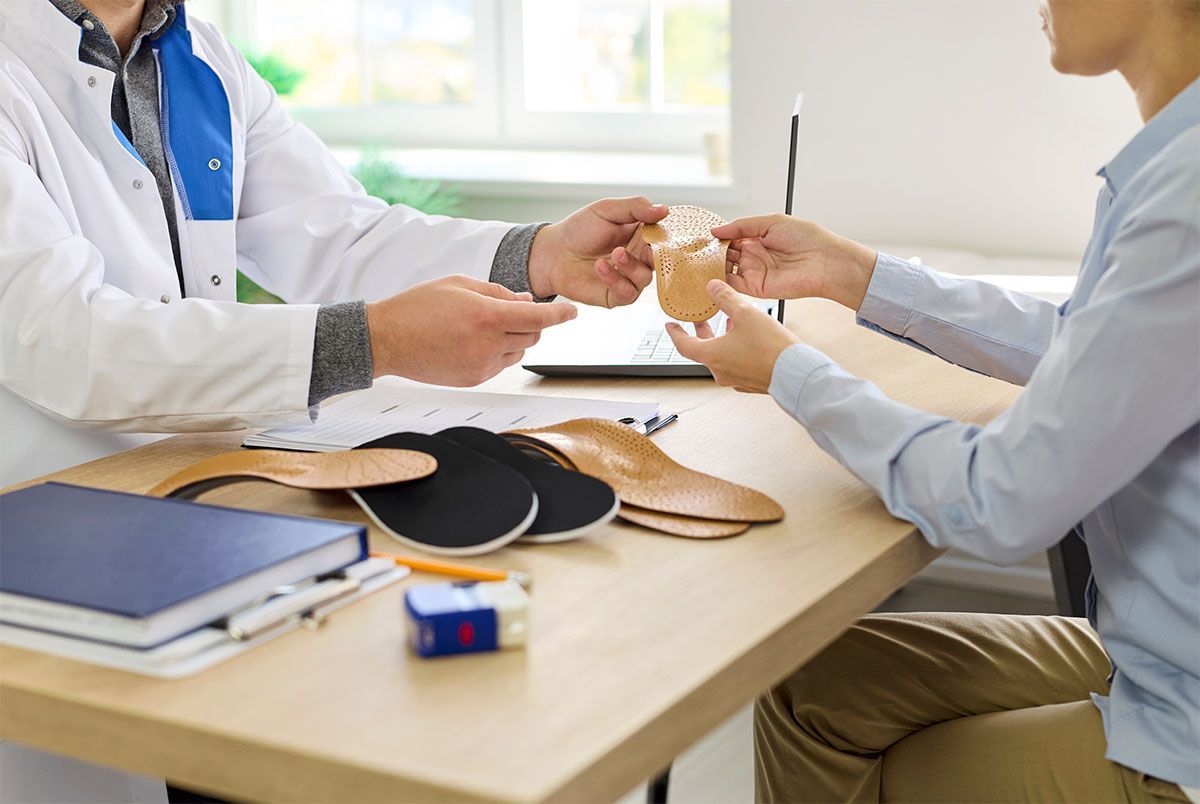
For many people, footwear alone does not provide enough support to fully protect the plantar fascia, especially if there are underlying issues with foot mechanics such as flat feet, high arches, or excessive rolling of the foot.
In these cases, additional support is often needed to reduce strain and improve how the foot functions.
At
The Bell Practice, we provide advanced 3D Printed Orthotics, designed following a detailed assessment and laser guided 3D scan of your feet and pressure distribution. The aim is to offload structures like the plantar fascia , so that it can recover and heal. Our focus is on understanding the cause of your discomfort and supporting you with solutions designed specifically for you.
With the right care, many common foot issues can be effectively managed or prevented altogether. If you feel that your feet could benefit from additional support or you’re experiencing persistent, chronic pain in your feet, we are here to provide expert guidance and care tailored to you; we use
3D printed orthotics, fully bespoke to your feet with a 3 year warranty on the orthotic shell.
Sometimes orthotics aren’t the solution and we need to assess the body for weaknesses and imbalances in the feet, lower limb or pelvis. Once the structure is identified we give a series of stretches or exercises to establish the equilibrium and prevent the painful structure being overloaded.