
What’s Causing Your Heel Pain?
Heel pain is one of the most common reasons people visit a podiatrist. For some, heel pain appears suddenly after increasing their activity levels. For others, it develops gradually, becoming noticeable when getting out of bed in the morning or after spending long periods standing at work. Understanding what is causing your heel pain is the first step towards finding the right treatment. The challenge is that many heel conditions share similar symptoms, making it difficult to know exactly what is happening without a professional assessment.
At
The Bell Practice, we regularly see patients who have spent months treating the wrong condition because they assumed their heel pain was a simple case of strain. Which is why we wanted to outline some of the most common causes of heel pain and why you should never ignore ongoing or recurring symptoms.
Why does heel pain occur?
The heel is subjected to enormous forces every day. Simply walking places pressure through the heel, while running can increase this load several times over.
The heel itself is a complex structure made up of the heel bone (calcaneus), ligaments and tendons, fat pads that absorb shock, nerves and blood vessels, and the plantar fascia.
When any of these structures become irritated, damaged, inflamed, or overloaded, heel pain can develop. The location and nature of your pain can often provide clues as to the underlying cause.
What is plantar fasciitis?
Plantar fasciitis is the most common cause of heel pain.
The plantar fascia is a thick band of connective tissue that runs from the heel bone to the toes. Its role is to support the arch of the foot and absorb the forces generated when walking and running.
When excessive strain is placed on this tissue, small areas of damage can develop. Over time, this can result in pain where the plantar fascia attaches to the heel.
Plantar fasciitis symptoms
Common plantar fasciitis symptoms include:
- Sharp pain under the heel
- Pain during the first few steps in the morning
- Discomfort after sitting or resting
- Pain that improves slightly with movement before returning later
- Tenderness when pressing the underside of the heel
- Tightness in the arch of the foot
What causes plantar fasciitis?
Several factors can increase the risk of developing plantar fasciitis:
- Repetitive strain and overuse
- Foot structure and biomechanics
- Tight calf muscles and reduced flexibility
- Inadequate or worn footwear
- Sudden changes in activity
While plantar fasciitis is extremely common, it is important not to assume that every case of heel pain is caused by the plantar fascia.
Other causes of heel pain
Heel pad syndrome
Unlike plantar fasciitis, which affects the connective tissue running along the sole of the foot, heel pad syndrome involves the natural cushioning beneath the heel bone itself.
The heel contains a specialised layer of fatty tissue that acts as a shock absorber every time your foot strikes the ground. Over time, this protective fat pad can become thinner, displaced, or less effective at absorbing impact. This can occur naturally with age, following repeated stress on the feet, or after prolonged periods of standing and walking on hard surfaces.
People with heel pad syndrome often describe the sensation as walking on a bruise or feeling as though there is less cushioning beneath the heel than there used to be.
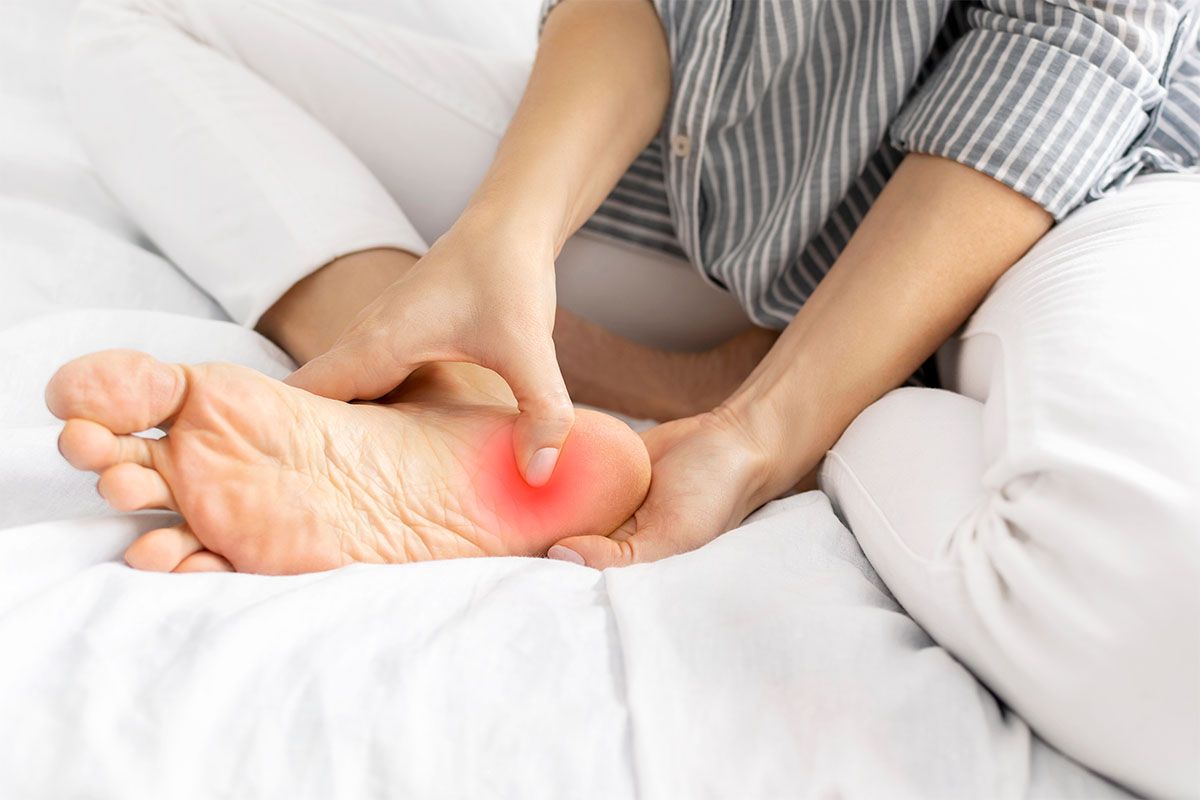
One of the key differences between heel pad syndrome and plantar fasciitis is the location of the pain. While plantar fasciitis usually causes discomfort towards the inside edge of the heel where the plantar fascia attaches, heel pad syndrome tends to cause pain directly beneath the centre of the heel.
Because both conditions can feel similar, they are often mistaken for one another. However, treatment approaches differ, making an accurate diagnosis important for long term relief.
Achilles tendinopathy
If your pain is located at the back of the heel, particularly where the Achilles tendon attaches to the heel bone, Achilles tendinopathy may be the cause.
The Achilles tendon is the largest tendon in the body and connects the calf muscles to the heel. It plays a vital role in walking, running, climbing stairs, and pushing off the ground during movement. Because it is subjected to significant forces every day, it can become irritated when overloaded.
Causes of achilles tendinopathy:
- Sudden increases in exercise or training intensity
- Tight calf muscles
- Flat feet or altered foot mechanics
- Poorly fitting footwear
- Spending long periods on your feet
- Increasing age, as tendons naturally become less flexible over time
Symptoms of achilles tendinopathy:
- Pain or stiffness at the back of the heel
- Discomfort that is worse first thing in the morning
- Pain that improves slightly with movement before returning later
- Tenderness when touching the tendon
- Swelling or thickening of the tendon
- Pain during activities such as running, climbing stairs, or walking uphill
Heel Spurs
A heel spur is a small bony growth that develops on the underside of the heel bone. These growths form gradually over time in response to repeated tension and stress where ligaments and soft tissues attach to the bone.
Many people assume that the spur itself is causing the pain, but this is not always the case. In fact, heel spurs are frequently found on X-rays of people who have no symptoms at all.
When pain does occur, it is often because the surrounding soft tissues have become irritated rather than the spur itself.
Symptoms may include:
- Pain beneath the heel during walking or standing
- Tenderness when pressure is applied to the heel
- Discomfort after periods of inactivity
- Symptoms that closely resemble plantar fasciitis
Baxter’s nerve entrapment
This condition occurs when the first branch of the lateral plantar nerve, commonly known as Baxter's nerve, becomes compressed or irritated as it travels through the foot. The compression can occur due to changes in foot mechanics, inflammation of surrounding tissues, muscle enlargement, or long standing plantar fasciitis.
Because the nerve runs close to the plantar fascia, the symptoms can closely mimic plantar fasciitis, making diagnosis challenging without a detailed clinical assessment.
Symptoms may include:
- Pain along the inside of the heel
- Burning, tingling, or electric shock like sensations
- Pain that may spread into the arch of the foot
- Discomfort that persists even at rest
- Symptoms that do not improve with conventional plantar fasciitis treatments
- Increased pain after prolonged standing or activity
Stress Fractures
A stress fracture is a small crack in the bone caused by repeated loading rather than a single traumatic event. This is more common in runners and people who suddenly increase physical activity.
Stress fractures require prompt diagnosis and should not be ignored.
Symptoms often include:
- Pain that progressively worsens
- Swelling around the heel
- Pain during activity that eventually persists during rest
Arthritis
Several forms of arthritis can contribute to heel pain. Inflammatory conditions such as rheumatoid arthritis can affect the tissues surrounding the heel, while osteoarthritis may alter foot mechanics and increase strain on surrounding structures.
Signs that arthritis may be involved include:
- Multiple painful joints
- Morning stiffness lasting longer than 30 minutes
- Swelling
- Symptoms affecting both feet
Bursitis
Bursitis occurs when a small fluid filled sac known as a bursa becomes irritated and inflamed.
Bursae are found throughout the body and act as cushions between bones, tendons, muscles, and skin, helping structures move smoothly against one another. Around the heel, bursitis most commonly develops either at the back of the heel near the Achilles tendon or beneath the heel where repeated pressure and friction occur.
The condition can develop gradually through repetitive strain or result from prolonged pressure on the area.
Common causes of bursitis include:
- Repetitive walking or running
- Wearing poorly fitting footwear
- Prolonged standing
- Pressure from rigid shoes
- Changes in activity levels
- Underlying inflammatory conditions such as rheumatoid arthritis
Symptoms of bursitis include:
- Localised pain around the heel
- Swelling near the painful area
- Tenderness when pressure is applied
- Warmth or redness around the affected region
- Increased discomfort during movement or when wearing certain shoes
What is the cause of foot heel pain in your case?
There is no definitive way to tell what is causing your heel pain without professional assessment and diagnosis. Two people can experience pain in a similar area of the heel while having entirely different underlying causes, and therefore require entirely different treatment plans.
How to reduce heel pain
While treatment depends on the diagnosis, several measures may help reduce heel pain in its early stages as you wait for your appointment. You should:
- Avoid activities that aggravate symptoms
- Wear supportive footwear
- Avoid walking barefoot on hard surfaces
- Stretch the calf muscles regularly
- Apply ice to painful areas when appropriate
- Reduce excessive loading where possible
Top Tips to Prevent Heel Pain.
Custom orthotics in heel pain treatment
Many cases of heel pain are linked to the way forces travel through the foot during walking and standing.
At The Bell Practice, we provide advanced
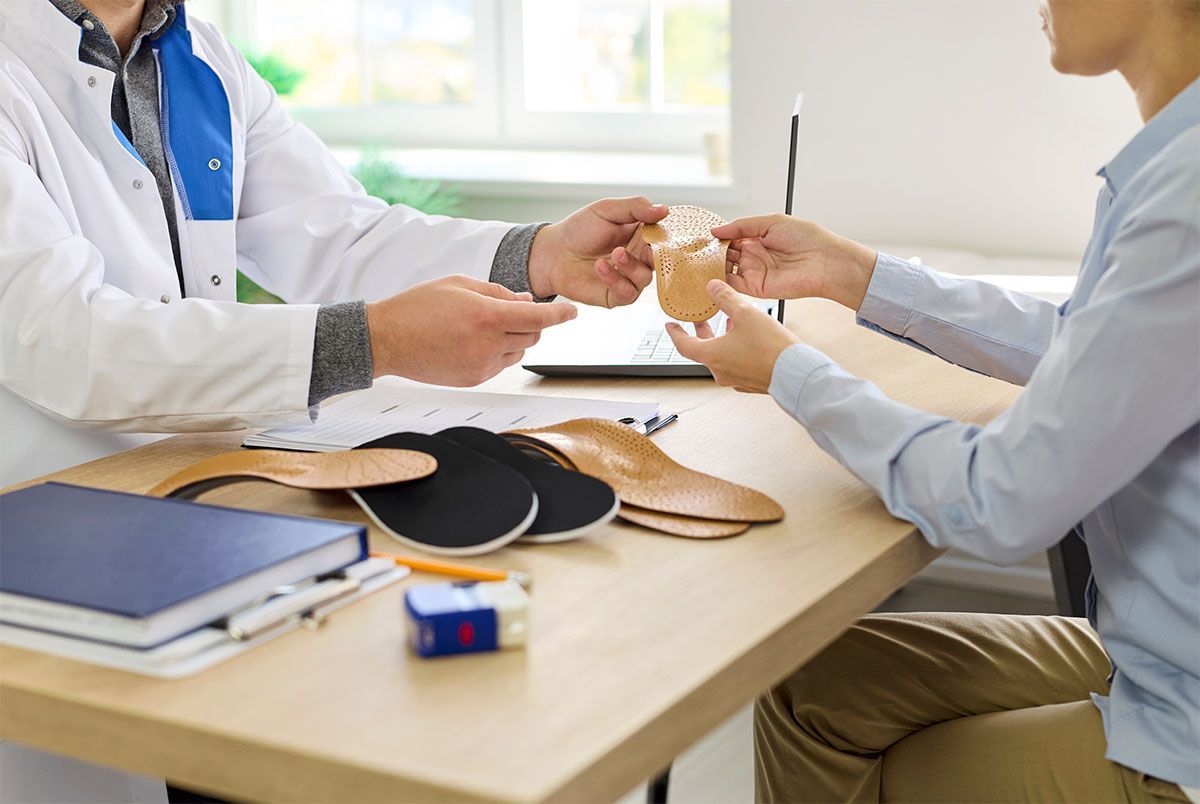
3D printed orthotics that are designed following a detailed physical assessment of your foot mechanics, a 3D laser scan of the structures, ultrasound scan investigation and potentially doppler ultrasound (to check the blood supply) Unlike generic insoles, our custom orthotics are tailored specifically to your feet and after CAD CAM design are 3D printed onsite. They can help:
- Improve foot alignment
- Reduce excessive strain on the plantar fascia
- Redistribute pressure away from painful areas
- Support flat feet and overpronation
- Improve comfort during everyday activities
- Be used to correct asymmetries such as a leg length discrepency
ASA Laser
For years we have been using one of the most advanced therapeutic treatments that can speed up healing dramatically. This powerful class 4 laser not only moves inflammation away from the area, it also speeds up cell metabolism which in turn speeds up the healing process.
ASA is the only company to offer a patented multi lock system, dramatically improving outcomes. Laser works extremely effectively in conjunction with orthotics particularly when patients want a rapid outcome.
Steroid Injections
Steroid Injections are utilised in chronic cases of plantar fasciitis that have not been acted on early enough. They often give complete relief very rapidly.
It’s important however to remember that as with all therapeutic treatments, until the underlying cause is resolved (the mechanical problem) symptoms will return. There are side effects to repeated corticosteroid injections, so at The Bell practice we see this treatment modality as a last resort.
When should you see a podiatrist?
The earlier heel pain is assessed, the easier it is to identify the cause and prevent the problem from becoming more persistent.
You should consider seeking professional advice if:
- Heel pain has lasted more than a few weeks
- Symptoms are worsening
- Pain is affecting your ability to walk
- There is swelling, numbness, or tingling
- Home treatments have not helped
- You are unsure what is causing your symptoms
With the right care, many common foot issues can be effectively managed or prevented altogether. If you feel that your feet could benefit from additional support or you’re experiencing persistent, chronic pain in your feet,
The Bell Practice are here to provide expert guidance and care tailored to you.