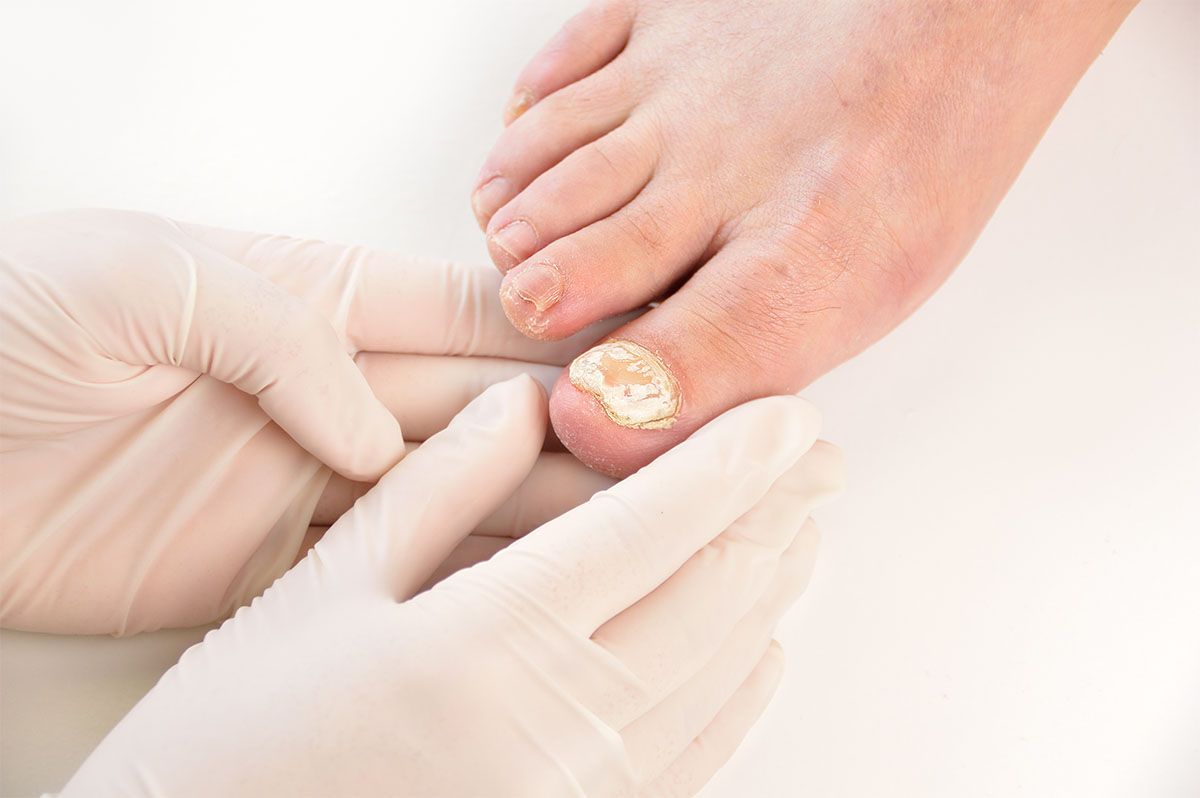

How Do You Treat an Infected Ingrown Toenail?
If you are experiencing the pain and disruption of an ingrowing toenail, then noticing the signs of infection can make the situation feel even more distressing. But, the good news is if you catch the infection early, treatment is simple and effective. Even when an infection is more advanced, there are treatments available to relieve the pressure, address the infection and help you get back to comfortable, healthy feet.
An infection is usually secondary to the ingrown toenail itself. When the nail grows into the surrounding skin, it can create a small wound which allows bacteria to enter. At
The Bell Practice, our extensively trained Podiatrists have been treating
ingrown toenails for 39 years, helping patients find relief from both the immediate pain and the underlying cause of the problem. We know exactly how to treat ingrown toenails at every stage, and have explained what you need to do when you notice the early signs of an infected ingrown toenail.
What causes ingrown toenails to become infected?
Ingrown toenails can become infected easily. When the nail punctures the toe, it creates an open wound on one of the areas of the body most likely to trap and accumulate dirt. This can be exacerbated when you pick or dig at the nail which can push harmful bacteria further into the wound.
Other reasons why an ingrown toenail may become infected include:
- Poor foot hygiene: An ingrown toenail is more likely to become infected if you don’t prioritise foot hygiene. Always clean your toenails with warm soapy water, gently scrub them with a nail brush, and pat (don’t rub) dry with a clean towel.
- Sweaty feet: Sweat keeps the skin around the wound damp and the wound itself open. This makes ingrown toenails particularly susceptible to infection. If your feet sweat heavily, changing socks regularly, avoiding artificial fibres and allowing footwear to dry between uses can help maintain healthier skin.
- Active lifestyle: Being an active person increases your risk of both ingrown toenails and infections. Continued rubbing from shoes can keep the wound irritated and make it more difficult for the surrounding skin to settle. This is one reason why wearing wide, comfortable footwear can be helpful.
- Diabetes: People with diabetes should take particular care with any foot wound or infection. Diabetes can increase the risk of serious foot complications, particularly when circulation or sensation is affected.
- Health conditions that impact sensation: Conditions that affect sensation in the feet, like spina bifida, Diabetes, and deficiencies like vitamin B12 can make it more difficult to recognise how severe an ingrown toenail has become. Poor circulation can also affect the body's ability to heal wounds. This makes professional assessment particularly important if you have reduced sensation, circulation problems or another condition that affects your feet.
Regardless of the reason for infection, it is vital that you have it looked at by an experienced podiatrist.
Signs that an ingrown toenail is infected
An ingrown toenail can be incredibly painful and inflamed without necessarily being infected. As infection develops, however, you will notice changes around the nail.
Signs of an infected ingrown toenail can include:
- Increasing redness around the nail
- Swelling in the toe
- Increasing tenderness or pain
- The area feeling warm
- Pus or other discharge from the edge of the nail
- Bleeding around the nail
- Redness spreading further across the toe
- A worsening or throbbing pain
- Feeling hot, cold or shivery, particularly if the infection is becoming more significant
Minor vs serious infections
Not every ingrown toenail requires the same level of treatment.
A mild ingrown toenail may cause localised tenderness, redness and discomfort without significant infection. If identified early, relieving pressure from the nail and allowing the area to settle may be enough.
A more advanced or infected ingrown toenail may involve considerable swelling, pus, bleeding or excessive tissue growing around the nail. In these cases, simply waiting for the nail to grow out will not resolve the underlying problem.
Repeated ingrown toenails also deserve professional attention. If the same nail continually grows into the skin, there may be an underlying issue that requires immediate attention.
Addressing the cause will be much more effective than repeatedly trying to manage the symptoms.
Can you treat an infected ingrown toenail at home?
If you have noticed the early signs of an ingrown toenail, there are some simple things you can do at home to keep the toe clean and make yourself more comfortable while you arrange an assessment.
However, once an ingrown toenail becomes infected, home treatment should be viewed as a way of caring for the area while you seek appropriate advice, rather than a replacement for professional treatment. An infection can continue to develop while the nail is still pressing into the skin, meaning the underlying cause needs to be addressed.
If the skin around your ingrown toenail has become increasingly red, swollen, painful or warm, or you notice pus or discharge, you may be dealing with an infection.
The most important thing is to keep the area clean and prevent further damage. You should:
1. Soak your foot in warm, salty water
A warm salt water foot bath can help to ease some of the inflammation and help keep the area clean.
After soaking your foot, make sure you dry it thoroughly, paying particular attention to the skin around the affected nail. Avoid leaving the toe damp inside socks or footwear, as prolonged moisture can make the skin more vulnerable.
2. Keep the toe covered if there is discharge
If the area is producing pus, blood or other discharge, cover it with a clean, sterile dressing to protect the wound and prevent further irritation. Change the dressing as necessary to keep the area clean and dry.
Try to avoid unnecessary contact with the wound between dressing changes. The less you disturb the area, the better chance the surrounding skin has to settle.
3. Reduce pressure on the toe
An infected ingrown toenail can become considerably more painful when it is repeatedly compressed by footwear.
For the time being, choose wide, comfortable shoes or sandals that give your toes plenty of room. Avoid narrow or pointed shoes that press against the sides of the nail.
If your usual activities involve running, long walks or other movements that put repeated pressure on the toe, it may be sensible to reduce these temporarily while the problem is assessed.
4. Keep your feet clean and dry
Wash your feet gently and dry them thoroughly afterwards. If your feet tend to sweat heavily, change your socks regularly and avoid wearing damp footwear by letting a pair of shoes dry out thoroughly before wearing them again (2-3 days).
This will not remove the nail that is causing the problem, but it can help prevent additional irritation while you arrange treatment.
5. Don't pick or dig at the nail
When an ingrown toenail is painful, it can be tempting to try to find the offending piece of nail and remove it yourself. You may also feel tempted to squeeze the area if you can see pus.
Picking, squeezing or digging around an infected ingrown toenail can cause further damage to already irritated skin and potentially introduce more bacteria into the wound.
6. Don't cut down the side of an infected toenail
Cutting into the affected side of an ingrown toenail yourself will not solve the problem. You may be able to remove the visible part of the nail, but there could still be a sharp section underneath the skin. As the nail continues to grow, this can cause the same problem to return or exacerbate the symptoms.
A podiatrist can safely identify and remove the offending section of nail when necessary, without you having to repeatedly injure the surrounding skin.
Should you contact a GP or a podiatrist for an infected ingrown toenail?
As a rule, an experienced podiatrist is always the most suitable medical professional to assess the condition of your toenail and prescribe the correct treatment plan. The only time we would recommend contacting your GP is if you have very early signs of an infection so you can seek antibiotic treatment while you wait for your appointment with a podiatry clinic.
Even if you have dealt with superficial infection in a minor case, it is best to book an appointment with an experienced podiatrist to address any underlying causes and prevent the likelihood of recurrence. Podiatrists deal with ingrowing toenails every single day.
For a serious, persistent or repeatedly infected ingrown toenail, go straight to a podiatrist. We can assess why the nail is continuing to grow into the skin and provide quick effective treatment. Depending on the severity, this may involve carefully removing the offending nail edge or considering nail surgery for recurrent cases.
At
The Bell Practice, our podiatrists can assess the condition of your toe and determine the most appropriate treatment, helping you avoid repeatedly managing the same painful problem at home.
If you have a minor infection, contact your GP for advice. If your ingrown toenail is seriously infected, keeps coming back, or is causing persistent pain, contact a podiatrist for specialist assessment and treatment.
How do podiatrists treat infected ingrown toenails?
The treatment for an infected ingrown toenail depends on how far the problem has progressed. In some cases, the offending section of the nail can be carefully removed to relieve pressure and allow the toe to heal. This usually doesn’t require local anaesthetic, but we have it available if needed. More advanced or recurring ingrown toenails may require nail surgery to prevent the problem from continually returning.
The most important thing is to have the toe assessed before attempting to treat it yourself. An ingrown toenail can become increasingly painful when the nail continues to grow into the surrounding skin, while infection can cause further, more serious complications. Early treatment is simpler and more comfortable than waiting for the problem to become severe.
Treatment with a podiatrist may involve:
Assessment of the ingrown toenail
Before treatment begins, your podiatrist will examine the affected toe and assess how deeply the nail has grown into the surrounding skin. They will also look for signs of infection, swelling, inflammation or excess tissue around the nail. They will want to gain a better understanding of your medical history, as well as any details on previous ingrown toenails and how they were resolved.
This assessment helps determine whether the ingrown toenail can be managed with conservative treatment or whether a more advanced approach is appropriate.
At The Bell Practice, our podiatrists are highly qualified and HCPC registered, with extensive experience treating ingrown toenails and performing nail surgery. The practice places particular emphasis on providing treatment that is as pain free as possible, using local anaesthetic where required.
Early treatment for a mild ingrown toenail
If the ingrown toenail is identified early, it may be possible to carefully cut back and remove the offending nail spike.
This is very different from attempting to cut an ingrown toenail yourself. A podiatrist can identify exactly where the nail is penetrating the skin and remove the problematic section without unnecessarily damaging the surrounding tissue. The nail spike will be gently cut back to allow the nail to grow forwards rather than continuing to press into the skin. The toe can then be dressed with a strong antiseptic dressing to protect the area while it begins to heal.
Early intervention can prevent a relatively minor ingrown toenail from developing into a much more painful or recurring problem.
Treating an infected ingrown toenail
If infection has developed, simply removing the nail edge may not be the only consideration. Your podiatrist will assess the extent of the infection and the condition of the surrounding tissue. The offending section of nail may need to be removed so that it is no longer continually puncturing or irritating the skin.
Following treatment, the toe can be cleaned and protected with an antiseptic dressing. In some cases, antibiotics may also be required to treat the infection.
It is important to understand that antibiotics do not necessarily resolve the underlying cause of an ingrown toenail. If the nail continues to grow into the skin, the problem is likely to return once the course of antibiotics is completed, this is because the nail spike remains allowing bacteria to enter through the puncture site. Removing the offending nail section is therefore often an important part of the process.
More advanced ingrown toenails
If an ingrown toenail has been left untreated, the nail may have penetrated further into the skin, making it more difficult to remove safely without local anaesthetic.
In these circumstances, your podiatrist may recommend removing the nail spike under local anaesthetic. This numbs the toe so that the procedure can be carried out as comfortably as possible.
Once the offending section has been removed, the area can be cleaned and dressed appropriately. If infection was present, further treatment may be recommended depending on its severity.
For patients who are nervous about treatment, it is worth remembering that our podiatrists carry out these procedures on a daily basis. At
The Bell Practice, ensuring treatment is as comfortable as possible is a core part of the practice's approach, and local anaesthetic can be used when required.
Nail surgery for severe or recurrent ingrown toenails
If your ingrown toenail is particularly advanced or continues to return despite previous treatment, your podiatrist may recommend nail surgery.
Rather than repeatedly cutting away the same section of nail as it grows back, nail surgery permanently removes the problematic side of the nail. Nail surgery is performed under local anaesthetic. The affected side of the nail is removed along with the offending nail spike and the area is treated to prevent that section of nail from growing back. This is sometimes called a wedge resection or a partial nail avulsion.
Nail surgery does not require stitches, although the toe will need to be dressed for approximately two weeks afterwards while it heals. For many patients who have experienced repeated ingrown toenails, this can be preferable to repeatedly treating the same painful nail as it grows back.
What happens after treatment?
After treatment, your podiatrist will provide advice on caring for the toe while it heals. Keeping the area clean and protected is important, particularly where there has been infection or the skin has been broken.
You may also be advised to avoid activities that place excessive pressure or friction on the toe for a period of time. Wearing comfortable, wide fitting footwear can help prevent unnecessary pressure while the area settles.
If you have had an ingrown toenail more than once, your podiatrist can also discuss ways to reduce the likelihood of recurrence.
Professional treatment at The Bell Practice
At The Bell Practice, our priority is always to make treatment for
ingrown toenails as comfortable as possible while finding the most appropriate solution for your individual circumstances. We have a group of highly skilled, fully qualified, extensively trained and audited experienced personnel who are highly trained in performing nail surgery.